In this episode, I share a story about a canoeing mishap that reveals the power of resourceful thinking and raises deeper questions about memory, family bonds, and the stories we tell ourselves.
Read More
 Curiosity sits at the intersection of creativity, effective human interactions, problem-solving and purposeful change. Unfortunately, the pace of life — at home, work, and school — often sidetracks our natural curiosity. So, listen as we look at the familiar from a different angle or something new as a possibility to consider.
In this episode, I share a story about a canoeing mishap that reveals the power of resourceful thinking and raises deeper questions about memory, family bonds, and the stories we tell ourselves.
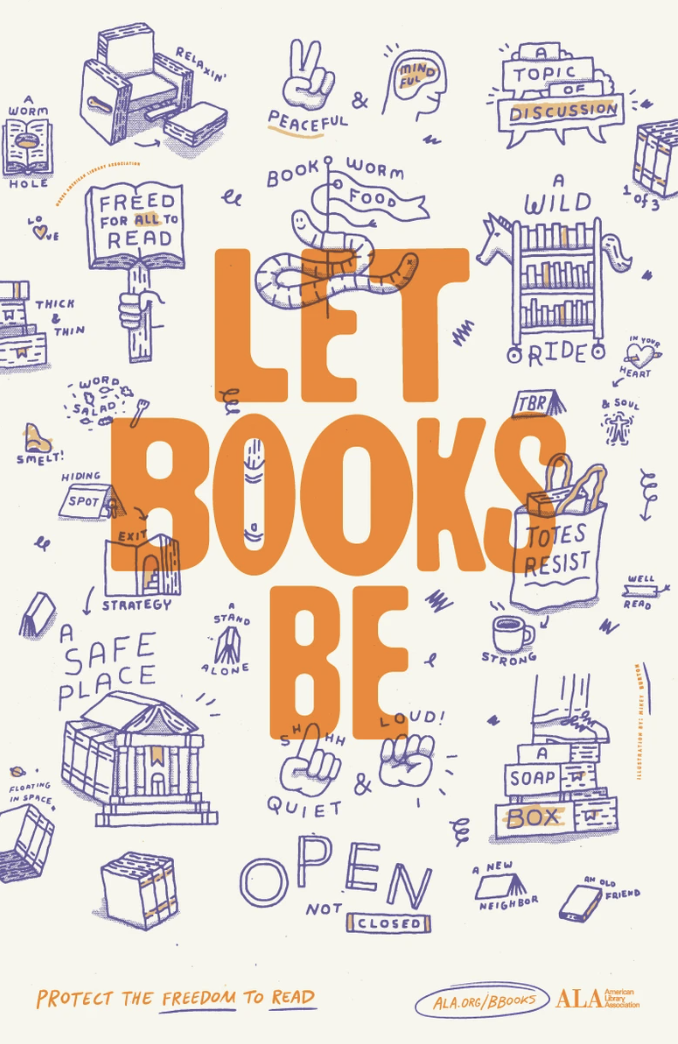
Read MoreKatie DeBonville explores why books are banned, arguing that difficult topics should be confronted rather than hidden, because reading encourages curiosity, empathy, conversation, and critical thinking.
Read MoreJack Green, a lover of history and social-media reporter, brings the Blitz to life by visiting surviving sites and sharing their stories online, connecting audiences with the human experiences behind World War II.
Read MoreDr. Diane Boyd traces her evolution from wolf researcher to conservation advocate, arguing that understanding wolves requires challenging myths, examining human perceptions, and following the science.
Read MoreSarah Jakle is the Founder and Executive Director of DemocraShe, a nonpartisan national nonprofit empowering historically underserved high school girls to be our future leaders, voters, civically engaged citizens, and elected officials. DemocraShe combines civic education with neuroscience to help young women overcome imposter syndrome, build resilience, find their voices, and become confident participants in democracy.
Read MoreAmirah Cummings’ KIO ecosystem aims to transform education by cultivating curiosity, agency, and bigger thinking, using stories, missions, technology, and AI to help children solve real-world problems.
Read MoreHistorian Dr. Nigel Perrin examines the World War II exploits of Mathilde Carré, a complex French resistance leader whose ambition, fantasy, betrayal, and survival reveal what can happen when imagined identity collides with reality.
Read MoreTomelle Greenield and Kim Strobel argue that schools should replace reactive behavior management with preventive systems built on relationships, regulation, consistency, coaching, and viewing behavior as communication.
Read MoreDr. Tara Bishop describes a school that combines knowledge with authentic, student-centered experiences, creating flexible pathways that develop skills, purpose, and adaptability while navigating education’s traditional constraints.
Read MoreIn this episode, I explore how constraints can stimulate rather than suppress creativity by forcing us to work with what we have, clarify priorities, and discover solutions already contained within the problem.
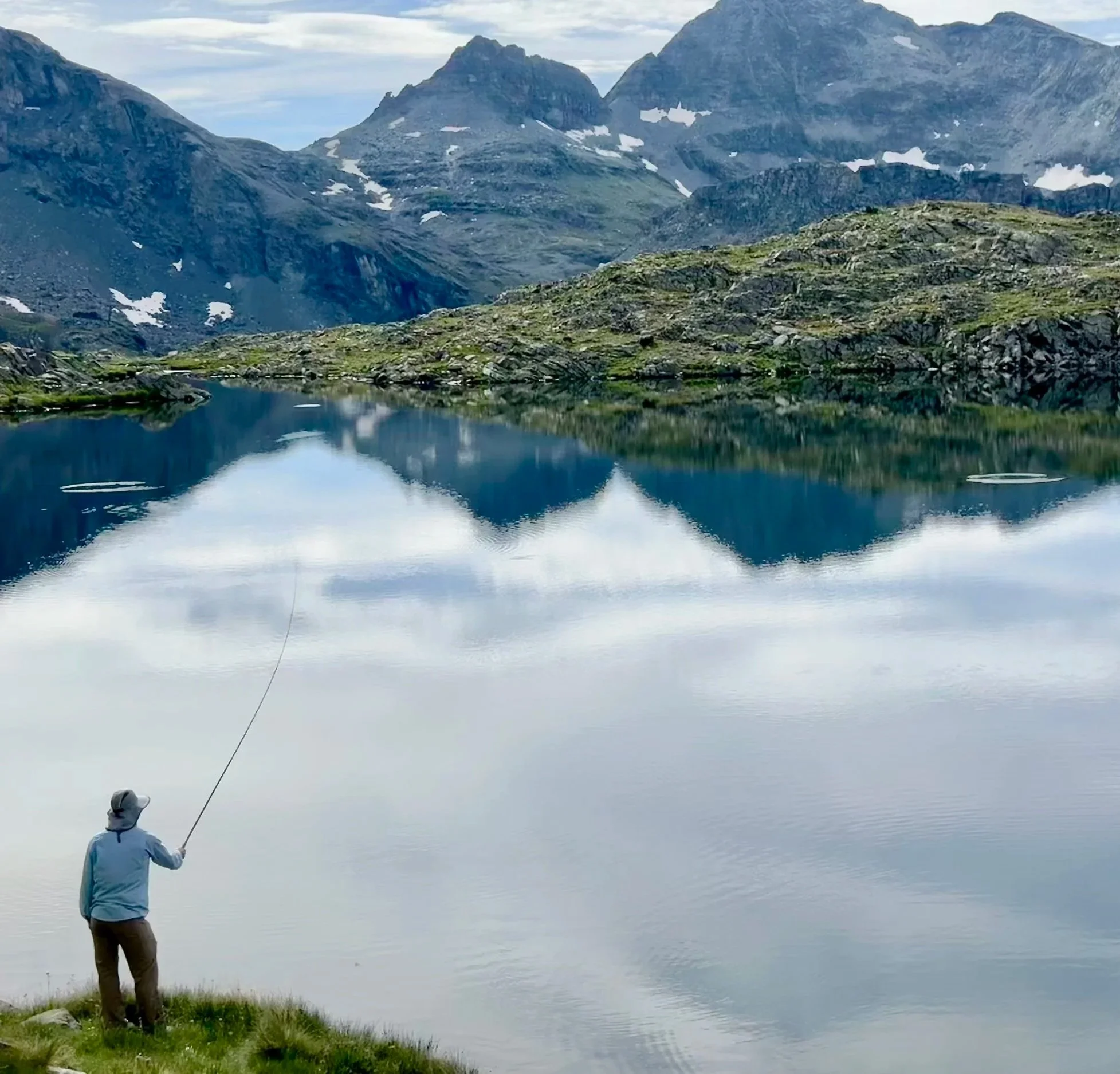
Read MoreFly fishing educator Nick Parish argues that fly fishing is less about catching fish than cultivating attention, creativity, relationships, and conservation through a deeper connection with the natural world.
Read MoreSerendipity isn't blind luck but the result of noticing unexpected opportunities, connecting unrelated ideas, and acting with curiosity and courage before fear or self-doubt closes the door. Guest Dr. Christian Busch explains.
Read MoreNeuroscience researcher Dr. Melissa Hughes explains how understanding your brain's cognitive blueprint helps you recognize stress-driven thinking patterns, improve decision-making, communicate more effectively, and intentionally build new neural pathways through curiosity.
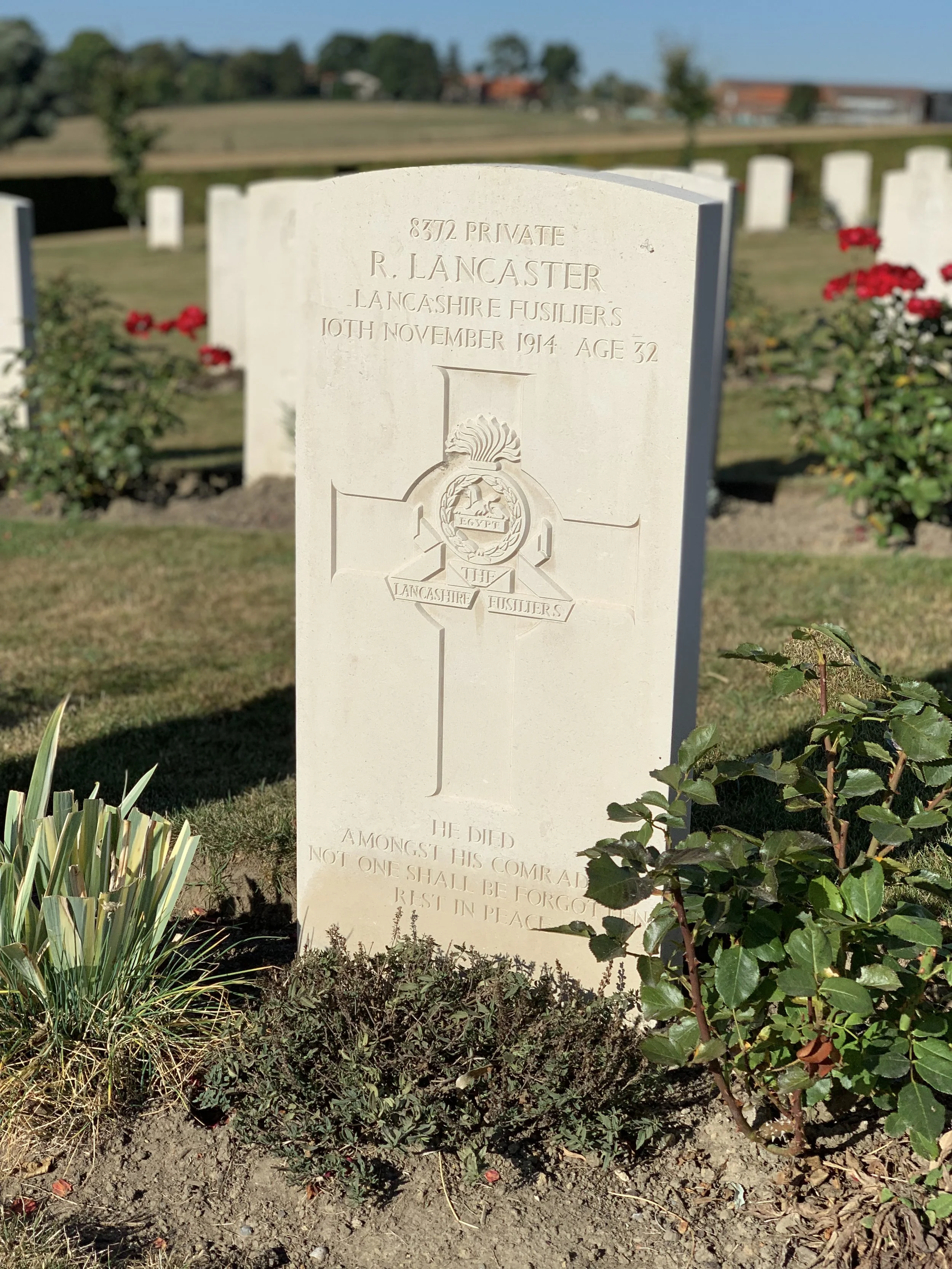
Read MoreIn 2019, while touring World War I battlefields, I heard the haunting story of Richard Lancaster, a British soldier who was killed in November 1914. He was only identified in 2006 after an archaeological dig unearthed his remains. I retell the story here through the voice of his dog tag.
Read MoreIt’s to be expected that after more than 400 episodes, some guests and their ideas will linger longer than others. And so it is with Rosamund Stone Zander and Benjamin Zander, who in their landmark book, THE ART OF POSSIBILITY, outlined a truly intriguing concept: “Giving an ‘A’.”
Read MoreAfter leaving education due to burnout, former principal JoAnne Duncan discovers that better questions—not quick answers—open the potential to help her create a healthier, more purposeful balance between work, well-being, and family.
Read MoreJournalist and applied behavioral scientist Elizabeth Weingarten explains how embracing uncertainty, asking better questions, and cultivating patience, self-compassion, and community can transform life's most challenging questions into opportunities for growth.
Read MoreEffective leadership is not about chasing perfection—it is about making disciplined decisions based on evidence, risk, and input from knowledgeable team members. Through the story of the New Horizons mission to Pluto, we see how mission leader Dr. Alan Stern listens first, speaks last, avoids groupthink, and recognizes when “good enough” is truly good enough rather than risking success in pursuit of marginal improvement.
Read MoreIf you've ever tried to juggle multiple "priorities," dive in. We provide some tips on how to emerge from spinning too-many-plates hell.
Read MoreRich Gassen, Director of Digital Publishing and Printing Services at the University of Wisconsin, Madison, argues that leadership is about empowering people, fostering curiosity, removing barriers, and creating environments where employees feel valued, supported, and connected to meaningful work.
Read More